

Human hair wigs, also known as real hair wigs, have become increasingly popular due to their natural appearance and versatility. Whether you are looking to cover hair loss, change your hairstyle, or enhance your look for a special occasion, understanding how to choose, maintain, and style human hair wigs is essential. This guide will provide comprehensive insights into the different types of human hair wigs, their advantages and disadvantages, as well as practical tips for maintenance and styling.
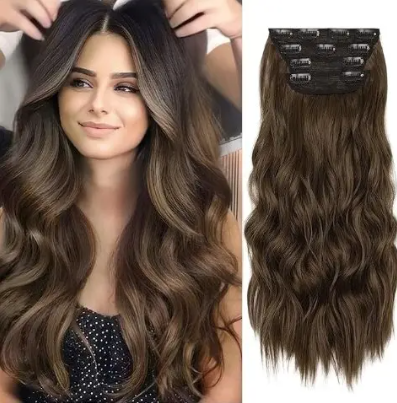
Types of Human Hair Wigs
Remy Hair
Remy hair is considered one of the highest qualities of human hair used in wigs. It is carefully collected and processed to ensure that the cuticles are intact and aligned in a single direction. This unique feature gives Remy hair wigs a natural look and feel, with minimal tangling and shedding. The cuticles also help retain moisture, making the hair more durable and easier to manage. However, Remy hair wigs are often more expensive due to the meticulous collection and processing methods.
Advantages:
Natural appearance and texture
Long-lasting and durable
Easy to style and maintain
Disadvantages:
High cost
Requires careful handling to preserve quality
Virgin Hair
Virgin hair refers to human hair that has never been chemically treated, colored, or permed. It is in its purest form, with all the cuticles intact. Virgin hair wigs are highly sought after for their natural look and feel, as well as their ability to withstand various styling techniques. They can be dyed, curled, or straightened without significant damage, making them versatile for different looks.
Advantages:
Natural and untouched quality
Versatile for styling
High durability
Disadvantages:
Expensive due to the rarity of virgin hair
Requires specialized care to maintain its virgin quality
Maintenance Tips for Human Hair Wigs
Cleaning
Regular cleaning is crucial for maintaining the health and appearance of your human hair wig. It helps remove dirt, oils, and product buildup, which can otherwise damage the hair. Here are some steps to follow:
Preparation: Before washing, gently comb through the wig with a wide-toothed comb to remove any tangles.
Washing: Use cold or lukewarm water and a mild, sulfate-free shampoo. Gently massage the shampoo into the wig, avoiding vigorous rubbing.
Rinsing: Rinse thoroughly with cold water to remove all shampoo residue. You can also use a conditioner or a leave-in treatment to add moisture and reduce frizz.
Drying: Squeeze out excess water gently and pat dry with a towel. Avoid wringing or twisting the wig, as this can cause damage. Allow the wig to air dry on a wig stand or a clean towel.
Combing and Brushing
Proper combing and brushing techniques are essential to prevent damage and maintain the wig’s shape. Use a wide-toothed comb or a soft-bristle brush specifically designed for human hair wigs. Start from the ends and work your way up to the roots to avoid pulling or breaking the hair.
Storage
When not in use, store your human hair wig properly to maintain its shape and prevent damage. Place it on a wig stand or in a breathable container, such as a mesh bag. Avoid storing it in direct sunlight or damp environments, as these can cause the hair to fade or become brittle.
Styling Human Hair Wigs
Human hair wigs offer a wide range of styling options, allowing you to experiment with different looks. Here are some tips for styling your wig:
Straightening and Curling
For straightening or curling, use low-heat tools to avoid damaging the hair. Always apply a heat protectant spray before using hot tools to minimize heat damage. Remember to handle the wig gently after styling to prevent tangling or misshaping.
Braiding and Updos
Braids and updos are stylish and versatile options for human hair wigs. Use gentle techniques to avoid pulling or damaging the hair. You can also add accessories like hairpins or ribbons to enhance the look.
Color and Highlights
While virgin hair wigs can be dyed, it is recommended to consult a professional stylist to ensure the process is done correctly. Improper dyeing can damage the hair and affect its quality.
Conclusion
Human hair wigs offer a natural and versatile solution for those looking to enhance their appearance or address hair loss issues. By understanding the different types of human hair wigs, such as Remy and virgin hair, and following proper maintenance and styling techniques, you can enjoy the benefits of a beautiful and long-lasting wig. Remember to choose high-quality products, handle your wig with care, and consult professionals when needed to ensure the best results
